ResidentialDrains
Drain Cleaning for Markham Homes
A drain rarely blocks all at once. It slows, gurgles and smells for weeks first. Clearing it properly means finding where the blockage sits and what it is made of.
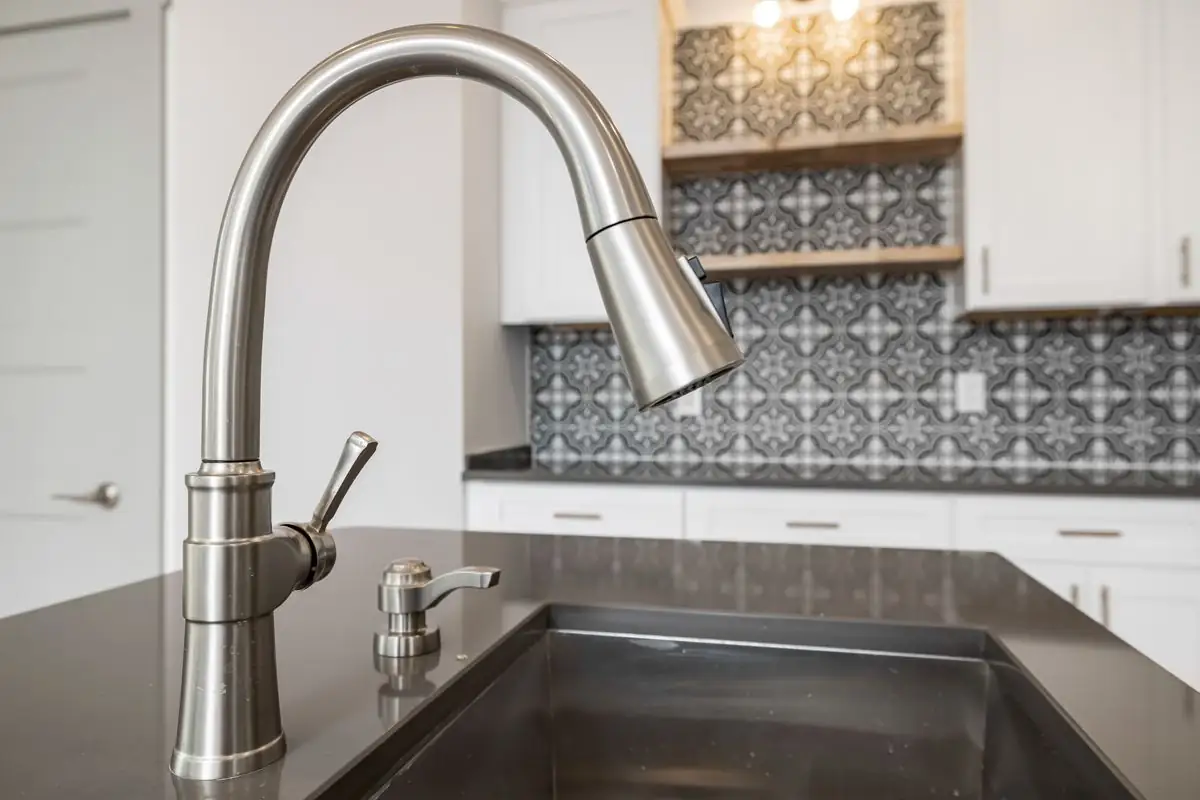
Close-up view of a modern stainless steel kitchen faucet with sleek design against tiled backsplash.
- Traps and cleanouts opened instead of forcing a cable through the fixture
- Cable heads and jetter nozzles matched to the pipe size
- Line run under load and proven clear before we pack up
- Camera look offered when the same line keeps blocking
- Licensing details confirmed when you call
- Residential
- Commercial
- Markham & York Region
How the job runs
- Water pools around your feet in the shower before it drains.
- The kitchen sink empties in slow spirals and leaves a greasy ring.
- The tub burbles whenever someone flushes.
- A sour or sewer smell rises from a basement floor drain.
- Two or more fixtures are sluggish together.
What's included on this job
What we open
The P-trap under the sink, the tub overflow plate, or the cleanout plug on the stack in the basement.
What we bring
Drum auger with 1/4-inch and 3/8-inch cable, a 1/2-inch sectional machine for the main, a bucket and rags.
What we replace
A corroded trap, a cracked tailpiece, or a worn slip-joint washer we find once the trap is off.
How we prove it
We run hot water through the line for several minutes and listen for gurgle at the next fixture down.
Signs you need this
- Water standing in the tub while you shower
- Gurgling from the sink when the washer drains
- Sour smell from a floor drain
- Two fixtures slow at the same time
Signs a drain needs cleaning
That last one matters most. One slow sink is a local clog. Several slow fixtures usually point to the main line under the basement floor.
Why it happens in Markham houses
Kitchen drains here collect cooking fat and starch from busy family meals, and that layer hardens in the cold section of pipe that runs through an unheated garage wall in many split-levels. Bathroom lines collect hair and soap scum. In older streets near mature maples and silver birches, roots find their way into the clay or concrete sewer laterals that run out to the street.
How we handle the job
- We ask which fixtures are slow and run water to see where it backs up.
- We pull traps and cleanouts rather than forcing a cable through a fixture and risking the finish.
- Cable heads are matched to the line: slim ones for basin drains, toothed cutters for the sewer lateral.
- We run water afterwards for several minutes to prove the line is clear, not just open.
- If the same line has blocked before, we suggest a camera look so you are not paying for the same visit twice a year.
A cable that comes back wrapped in hair tells us one thing. A cable that comes back with roots tells us another.
What changes the cost
Access is the big one. A cleanout cap that is buried behind a finished basement wall takes longer than one sitting in the open. Root growth, long runs and repeat blockages also add time. We tell you which of those apply before the cable goes in.
From the van: Skip chemical drain openers before we arrive. Caustic liquid seldom gets through a solid plug, and it turns the standing water into something nobody should handle.
Call before it gets worse
Sluggish water is the drain asking for help. Answer early and you skip the day it overflows across new flooring.